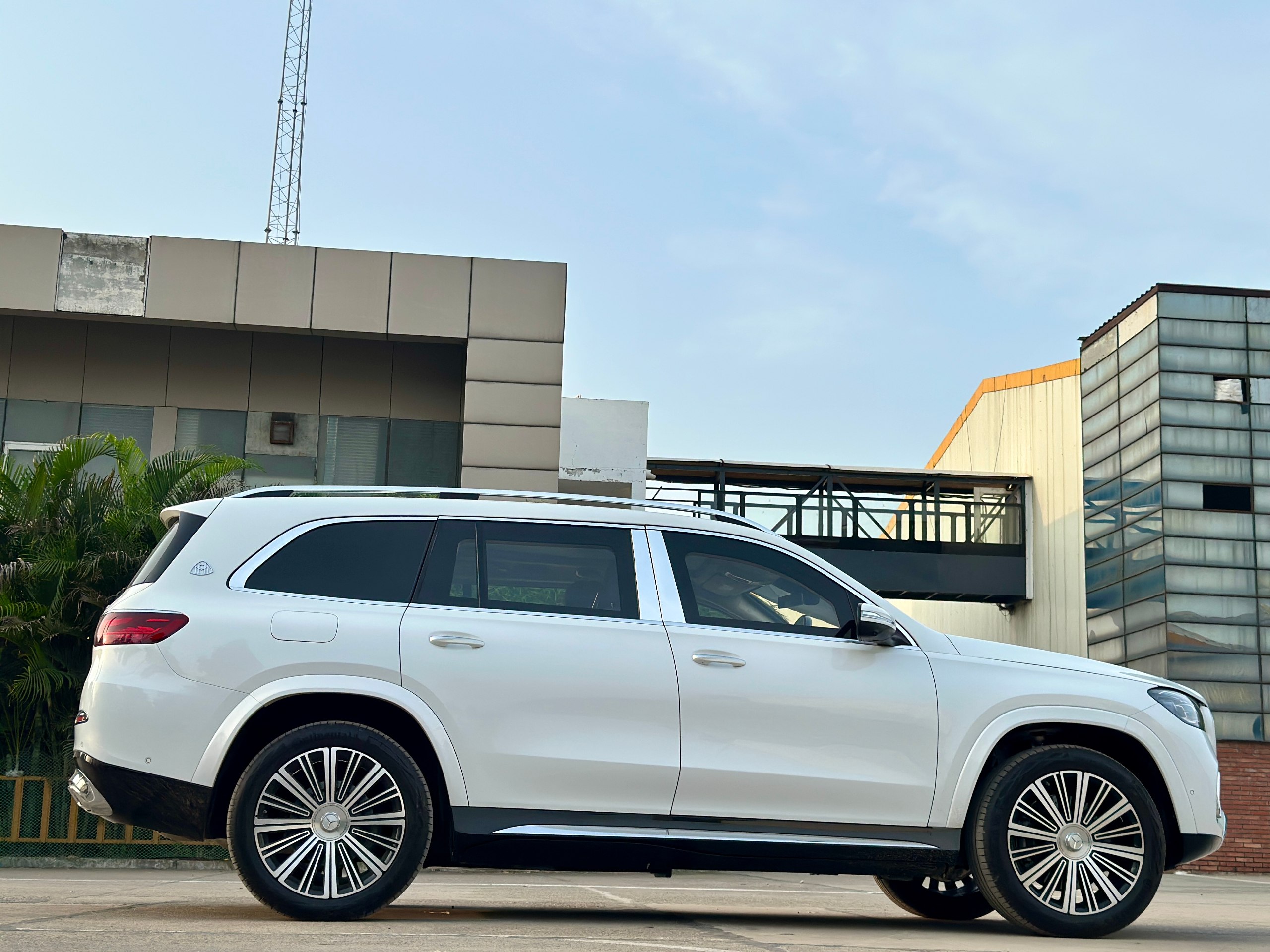
When people consider an armoured vehicle, one of the first questions is often: Can any vehicle be armoured?
The answer is not quite that simple.
While many passenger vehicles can technically be modified to incorporate protective materials, not every vehicle is equally suitable for armouring. Adding ballistic steel, composite materials, bullet-resistant glass, run-flat systems and other protective components significantly changes the vehicle’s weight and operating characteristics.
This means a vehicle’s suitability for armouring must be assessed before the armouring process begins. The base vehicle needs the structural strength, power, suspension capacity and braking performance required to manage the additional load while remaining safe and practical to operate.
At JCBL Armouring Solutions, the vehicle, required protection level and intended operating conditions are considered together before an appropriate armouring solution is developed.
Armouring is a Choice, But the Platform Matters
Armouring is generally driven by an individual’s or organisation’s security requirements. The required level of protection may differ depending on the anticipated threat, travel environment, vehicle usage and passenger profile.
However, selecting a protection level is only part of that decision.
The base vehicle also matters. A vehicle originally engineered to carry higher loads generally provides a stronger starting point for integrating armour than a lightweight platform with limited payload capacity.
The objective should therefore not be to simply fit the maximum amount of protective material possible. It is to develop a balanced system in which protection; mobility; handling and passenger comfort continue to work together.
Can Any Car be “Bullet-Proofed”?
From a technical standpoint, “bullet-resistant” is the preferred industry term, as absolute protection against every conceivable ballistic threat is not possible. A vehicle’s suitability for conversion depends on several critical engineering considerations:
- Protection Level: Defensive modifications must be engineered to align with specific ballistic standards and anticipated threat profiles.
- Vehicle Structure: Both the body and chassis require sufficient integrity to manage the significant weight added by protective materials.
- Suspension & Braking: The additional mass increases the operational load on tyres, brakes, and suspension systems, often necessitating reinforced components.
- Engine & Drivetrain: The powertrain must deliver reliable mobility and maintain adequate performance after the integration of armour.
- Vehicle Size: Premium SUVs, luxury sedans, and utility platforms are frequently selected due to their robust engineering, interior volume, and payload capacity.
Is Your Vehicle Suitable for Armouring?
Before beginning an armouring project, specialists assess the vehicle as a complete platform rather than looking at one specification in isolation.
A structurally capable vehicle must also remain manageable once additional protection is installed. Engineers consider how the added mass will affect acceleration, braking distances, suspension behaviour, steering and overall stability.
Space is another consideration. Ballistic glass, armour plates and reinforced components occupy additional room inside the original body structure. The vehicle must accommodate these additions without unnecessarily compromising passenger comfort, visibility or essential functionality.
The intended use also influences the decision. A vehicle primarily travelling through cities may have different requirements from one regularly operating across highways, rural routes or difficult terrain.
Key Factors That Affect Vehicle Armouring
Several factors for vehicle armouring help determine whether a platform is appropriate.
- Structural strength and payload capacity: The vehicle must be capable of accommodating the additional mass of protective materials while maintaining structural integrity.
- Engine and drivetrain: Added weight increases the demand placed on the powertrain. Adequate engine performance helps the vehicle retain usable acceleration and mobility after conversion.
- Suspension and braking: Armouring alters vehicle mass significantly, which may require reinforced suspension components and upgraded braking systems. JCBL notes that suspension and braking upgrades form part of armouring solutions for vehicles such as the Toyota Fortuner.
- Vehicle dimensions and interior space: Adequate cabin and body space make it easier to integrate ballistic protection while preserving passenger comfort and access.
- Required protection level: Higher protection requirements generally involve heavier or more extensive materials. The selected vehicle must therefore be compatible with the intended ballistic protection level.
- Usage and terrain: Ground clearance, drivetrain configuration, manoeuvrability and road conditions should also be considered, particularly for vehicles expected to operate across varied terrain.
What Are the Best Vehicles for Armouring?
There is no single answer to the question of the best vehicles for armouring. The appropriate platform depends on its intended application and required level of protection.
For clients seeking a combination of protection, luxury and commanding road presence, premium SUVs and luxury vehicles often provide an ideal foundation for armouring. Their robust construction, spacious cabins and strong performance characteristics allow advanced protective systems to be integrated while preserving comfort, refinement and everyday usability.
Premium sedans can also be suitable, particularly where passenger comfort, discretion and urban mobility are priorities. JCBL’s portfolio includes armoured sedan platforms alongside SUVs, demonstrating that vehicle category alone does not determine suitability.
The right choice ultimately comes from matching the vehicle’s engineering characteristics with the protection requirement.
Final Thoughts
Not every vehicle is equally suited for armouring, and choosing the right base platform is an important part of building an effective protective vehicle.
At JCBL Armouring Solutions, factors including vehicle construction, added weight, protection level, performance and intended usage are considered before the armouring process begins. The objective is to achieve the right balance between protection, mobility, reliability and everyday usability.
Because effective armouring begins not only with choosing the right protection, but also with choosing the right vehicle.
DISCLAIMER:
All the features mentioned above are subject to customer preferences, vehicle type, armouring level, and other variable factors.