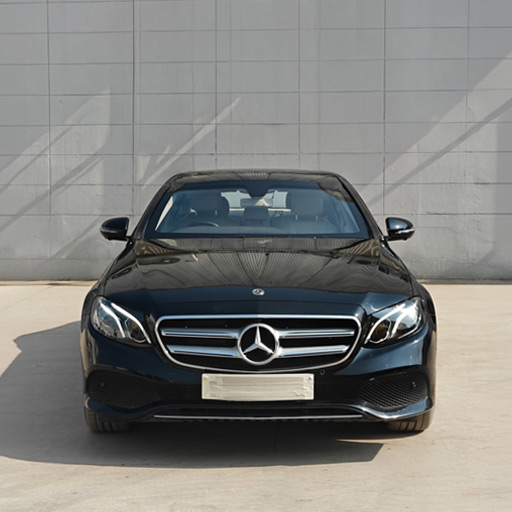
Armoured mobility in India is changing.
For years, armoured vehicles were largely associated with defence applications, government officials and high-security movements. Today, the requirement for protected mobility is expanding across a wider group of users, including corporate leaders, high-net-worth individuals and owners of premium vehicles.
At the same time, expectations from an armoured vehicle have evolved. Protection remains the priority, but buyers increasingly expect comfort, discretion, vehicle performance and premium interiors to remain part of the experience.
The next phase of India’s armoured mobility market, therefore, is not simply about adding more protection. It is about engineering protection more intelligently into the vehicle.
WHAT YOU’LL LEARN
- Why demand for armoured vehicles in India is changing?
- Who is using armoured mobility today?
- Why Luxury SUVs are becoming important armouring platforms?
- How lightweight armouring can support vehicle performance?
- Why modern vehicle armouring requires complete vehicle engineering?
- How testing and protection standards influence armoured vehicle development?
- What may shape the next phase of secure mobility in India?
WHAT IS CHANGING IN INDIA’S ARMOURED MOBILITY MARKET?
The biggest change is that armoured mobility is moving beyond its traditional applications.
Government authorities, defence personnel and security-sensitive movements continue to represent important requirements for armoured vehicles. However, the customer base is widening as personal security becomes increasingly relevant to corporate leadership, VIPs, VVIPs and high-net-worth individuals.
This has also changed what customers expect from an armoured vehicle.
Protection alone is no longer the complete requirement. A modern armoured vehicle may also be expected to retain the comfort, aesthetics, usability and character of the original vehicle.
This shift is particularly visible in the luxury armoured vehicle market in India, where customers often want additional security without turning their premium vehicle into something that visibly looks or feels heavily modified. Autocar India, following a visit to JCBL’s facility, observed that armoured luxury SUVs could retain much of their original premium character while keeping the protective modifications visually discreet.
WHO USES ARMOURED VEHICLES IN INDIA TODAY?
Armoured vehicles are designed for situations where the occupants may require an additional layer of protection during mobility.
Depending on the application and threat assessment, users can include government officials, security personnel, diplomats, corporate leaders, VIPs, VVIPs and private individuals with specific security requirements.
This widening user profile is one reason the market itself is evolving.
Different customers also create different requirements. A security vehicle designed for a government application may have different priorities from a luxury SUV being armoured for private mobility.
That means modern armouring is increasingly becoming vehicle-specific and requirement-specific rather than a one-size-fits-all modification.
WHY ARE LUXURY SUVs BECOMING IMPORTANT FOR ARMOURED MOBILITY?
Luxury SUVs combine several characteristics that can make them suitable platforms for armouring, including strong vehicle architecture, interior space, powerful drivetrains and premium occupant comfort.
However, simply selecting a large or powerful SUV does not automatically make it suitable for every protection requirement.
The additional weight introduced by ballistic steel, transparent armour, composites and other protection systems can influence the vehicle’s suspension, braking, acceleration, handling and overall dynamics.
For this reason, the suitability of a vehicle for armouring must be assessed as an engineering exercise.
JCBL’s current luxury armouring portfolio includes vehicles such as the Range Rover, Toyota Land Cruiser 300, BMW 7 Series, Bentley Bentayga, Toyota Vellfire and Rolls-Royce Phantom, illustrating how armouring is increasingly extending into premium mobility.
DOES ARMOURING HAVE TO COMPROMISE COMFORT AND PERFORMANCE?
Armouring inevitably changes certain physical characteristics of a vehicle because additional protective material adds weight.
The challenge is therefore not to pretend that the additional weight does not exist. The challenge is to manage it intelligently.
Modern armoured vehicle engineering considers systems such as the suspension, brakes, door structures, hinges, tyres, glass and vehicle balance alongside the protective package.
This approach helps the vehicle accommodate the additional protection while retaining practical drivability and occupant comfort.
For premium applications, attention may also be given to cabin refinement, acoustics, ergonomics and the visual integration of protective components.
As JCBL Armouring Solutions CEO Rushank Doshi put it:
“Luxury Should Never Come At The Cost Of Safety.”
HOW IS LIGHTWEIGHT ARMOUR CHANGING ARMOURED VEHICLES?
One of the important developments in vehicle armouring is the increasing use of lightweight armouring materials.
Traditional ballistic steel remains important in appropriate applications, but modern protection systems can also use composites, Kevlar-based materials and other engineered solutions depending on the protection requirement.
The objective is not simply to make an armoured vehicle lighter. It is to achieve the required protection while managing the additional mass placed on the base vehicle.
JCBL has publicly discussed the use of composite panels, engineered materials and Kevlar solutions as part of its approach to reducing armouring weight while maintaining required ballistic standards.
Lower additional weight can contribute to better management of acceleration, braking, suspension loads, handling and overall vehicle usability.
DID YOU KNOW?
In Autocar India’s 2026 examination of a JCBL-armoured Toyota Fortuner, the vehicle carried approximately 800 kg of additional armouring. The report also documented changes to areas such as the suspension, hinges, braking components, glass and run-flat system, demonstrating why armouring involves much more than installing ballistic panels.
WHY IS MODERN ARMOURING A COMPLETE VEHICLE ENGINEERING PROCESS?
A protected vehicle works as one integrated system.
Ballistic protection can involve the passenger compartment, glass areas, doors, roof, floor and other vulnerable points. Depending on the requirement, additional protection may also be incorporated around critical components.
At the same time, the vehicle needs to carry the additional weight safely.
This means the armouring process may involve modifications or reinforcements to areas such as suspension, braking systems, structural components, door hinges and tyres.
Our armouring process includes vehicle engineering and design, material testing, vehicle strip-down, installation of protective materials, transparent armour, run-flat tyres, suspension and braking modifications, inspection and final testing.
Modern armouring should therefore be understood not as an accessory installation but as a complete vehicle engineering and integration process.
WHY DO TESTING AND PROTECTION LEVELS MATTER?
Not every user faces the same threat, which means not every armoured vehicle requires the same protection configuration.
The appropriate protection level should depend on the intended application and a realistic assessment of potential threats.
Ballistic materials, transparent armour and protective systems also need to perform as intended rather than simply appearing strong.
Testing therefore becomes a critical part of armoured vehicle development.
Independent testing of materials, quality checks during manufacturing and complete-vehicle evaluation help provides greater confidence that the protection package has been engineered according to its intended specification. JCBL states that it uses independent testing alongside its internal development and quality processes.
INDIA’S PROTECTED MOBILITY ECOSYSTEM IS ALSO EVOLVING
The changing armoured mobility market sits within a much larger development in India’s engineering and defence manufacturing ecosystem.
Armoured civilian vehicles represent only one specialised part of this much wider ecosystem, but the broader growth of domestic engineering, testing, manufacturing and R&D capabilities provides an increasingly capable environment for advanced protected-mobility solutions.
WHAT WILL DEFINE THE NEXT PHASE OF ARMOURED MOBILITY?
The next phase is likely to be defined less by how visibly strong an armoured vehicle looks and more by how intelligently protection is integrated.
Lightweight materials can help manage vehicle mass. Vehicle-specific engineering can preserve usability. Advanced manufacturing can improve integration. More discreet protection can help premium vehicles retain their original character.
There are also emerging challenges ahead.
Electrification will create new engineering considerations around battery protection and additional vehicle mass, while increasingly intelligent vehicle systems could create opportunities for greater integration between mobility and security technologies.
These developments are still evolving, but they point towards one direction: future armoured mobility will increasingly combine protection, engineering, technology and refinement rather than treating them as separate requirements.
THE JCBL ARMOURING APPROACH
At JCBL Armouring Solutions, protected mobility is developed around the vehicle, its intended application and the required level of protection.
For premium vehicles, the focus extends beyond ballistic protection to include lightweight armouring, discreet integration, vehicle-specific engineering and preservation of comfort and refinement.
The objective is simple: protection should become an integrated part of the vehicle rather than defining the entire driving and passenger experience.
KEY TAKEAWAYS
- India’s armoured mobility market is expanding beyond conventional government and security applications.
- Luxury armoured vehicles are becoming increasingly relevant to private, corporate and high-profile users.
- Modern armouring requires more than ballistic steel and glass; it involves the complete vehicle.
- Lightweight armouring can help balance protection with performance, comfort and usability.
- Suspension, brakes, tyres, vehicle structure and weight distribution need to be considered as part of the armouring process.
- Testing and appropriate protection levels remain fundamental to developing a dependable armoured vehicle.
- The future of armoured mobility is likely to focus increasingly on discreet protection, advanced materials and integrated engineering.
LOOKING FOR A VEHICLE BUILT AROUND YOUR SECURITY REQUIREMENTS?
Every armouring requirement begins with a different vehicle, application and protection need.
Connect with JCBL Armouring Solutions to explore vehicle-specific armouring solutions engineered to bring together protection, performance, comfort and discreet integration.
FREQUENTLY ASKED QUESTIONS
- Why is demand for armoured vehicles increasing in India?
Demand is widening because protected mobility is no longer limited to conventional defence and government applications. Industry reporting indicates growing interest among high-net-worth individuals, corporate leaders and other high-profile users, particularly within the luxury armoured vehicle segment.
- Who uses armoured vehicles in India?
Armoured vehicles can be used by government officials, defence and security personnel, diplomats, corporate leaders, VIPs, VVIPs and private individuals who have specific security requirements. The required protection configuration depends on the application and threat assessment.
- Can luxury SUVs be armoured without compromising comfort?
Armouring adds weight and requires structural modifications, so the vehicle cannot remain physically identical to its original configuration. However, modern lightweight materials, suspension and braking upgrades, discreet integration and careful interior engineering can help retain much of the vehicle’s original comfort, appearance and usability.
- Does armouring affect vehicle performance and fuel efficiency?
Yes. Additional armour increases vehicle weight, which can affect acceleration, braking, handling and fuel consumption. Proper engineering can help manage these effects through suspension, braking, tyre and structural modifications, but the additional mass cannot be completely eliminated.
- How do you choose the right ballistic protection level for an armoured vehicle?
The protection level should be selected according to the intended application and assessed threat rather than simply choosing the highest available level. Higher protection generally requires additional protective material and therefore adds more weight to the vehicle. A specialist armouring company should evaluate both the security requirement and the suitability of the base vehicle.
- Which vehicles are best suited for armouring in India?
There is no single vehicle that is suitable for every armouring requirement. Vehicle structure, power, payload capability, chassis condition, available space and the desired protection level all influence suitability. JCBL notes that many existing vehicles can be armoured, although older or less capable platforms may be limited by chassis and power constraints.
- Is it legal to armour or bulletproof a car in India?
Armoured vehicle conversions in India are subject to applicable vehicle and regulatory requirements. Autocar India notes that armoured vehicles need to comply with CMVR requirements and obtain RTO clearance, while certain higher-specification vehicles may require additional approval. Requirements can vary according to the vehicle and protection configuration, so applicable approvals should be confirmed before commissioning a conversion.